Maureen Damitz and Joel J. Africk of
Respiratory Health Association of Metropolitan Chicago have been heavily involved in delivery of asthma self-management education to school children in Chicago using "Fight Asthma Now" an evidence-based, age appropriate program. The duo led participants in one of the three morning breakout sessions.
The attendees were broken down into four groups and each tackled issues related to: problem identification; development of success strategy; and identifying key stakeholders. One group identified their issue as an introduction to using "green" cleaning products and integrated pest management to improve indoor air quality. Joel gave the groups some advice related to numerical calculations. "Underestimate the true number of the affected population. If it's 300,000, tell them it's 200,000, that way they can't come back to you and say you were inflating your numbers. Also, think of your case as a selling document."


 Chad Fenwick, Los Angeles Unified School District led the group on some fun exercises.
 Joan Edelstein, MSN, DrPH, RN, brought her extensive experience as a clinician and educator in maternal/child health to the full-group afternoon session. The first part of the session Joan lectured on asthma management. She cited a quote from School Governance and Leadership, Spring 2003 “A school’s best protection against liability is having policies and procedures in place and being proactive.”

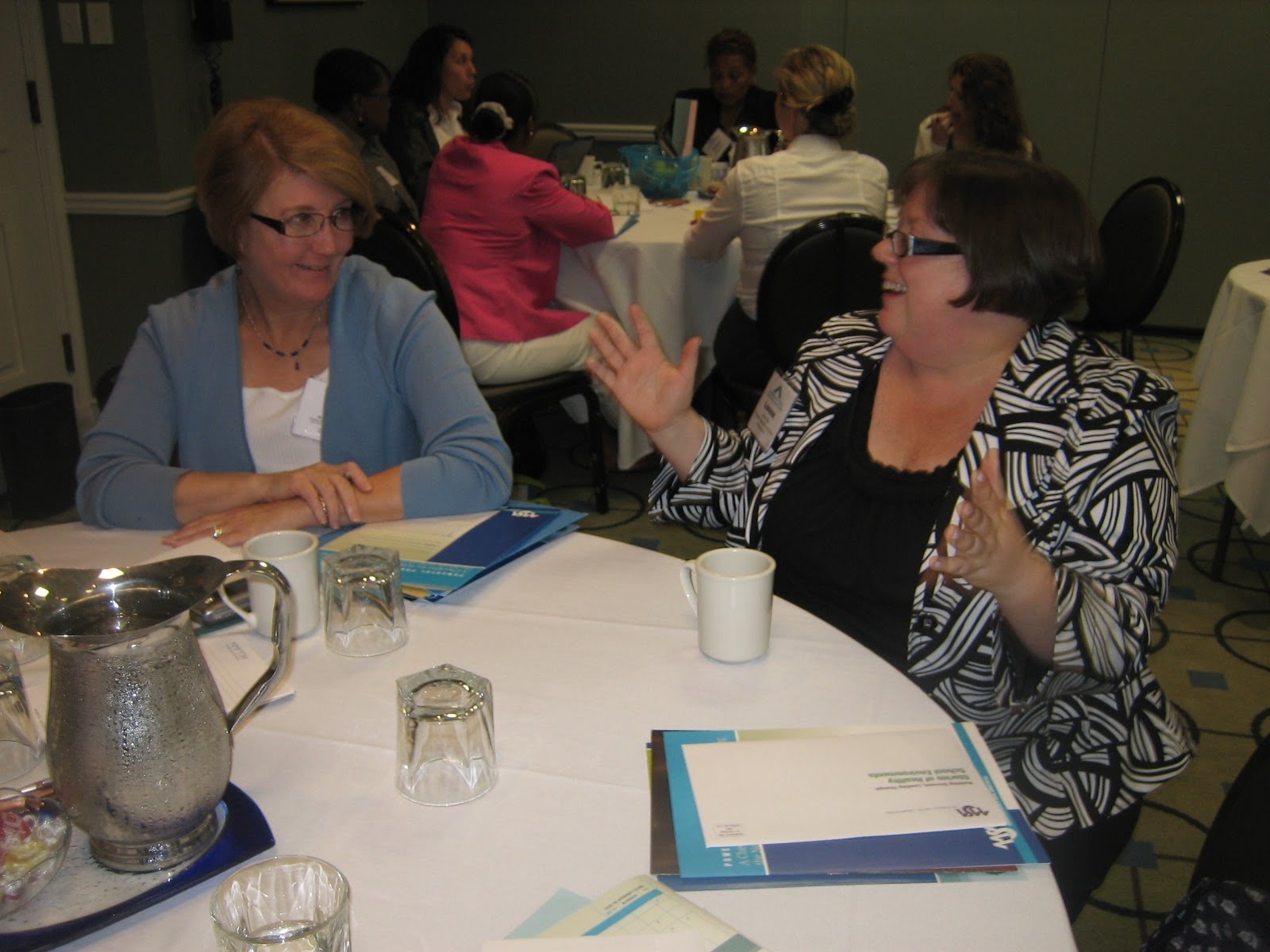


 Holly Alperin, our event coordinator welcomed everyone to Day Two of Strengthening Our Practice: Building Asthma-Friendly Schools. She tells participants by the end of the day they will have:
  "How do we help each Family Assistant understand that he/she plays a vital role in the life of a student living with asthma and residing in transitional housing?” This is the question that Jenelle Rose of the New York City Department of Education posed to the group. There are over 35,000 people living in New York City shelters, of those people, 8,213 are families with children, a staggering number of these cases relate to asthma. The liaisons to these families are the Family Assistants (FA) who reaches out to the parent/guardian of the children. They empathize with the family’s living condition, and understand the importance of the children in that demographic, staying in school.